Asbestos removal BirminghamContain the risk.
Move the project forward.
Commercial asbestos removal, surveys and testing for the people responsible for Birmingham’s business premises.
From suspect material to an informed next step.
THE MATERIAL CHANGES THE METHOD
Know What Is There.
Then Decide What Comes Out.
A damaged panel in a plant room and intact cement sheets above a warehouse are different problems. The right response starts with identification, condition and the work you intend to carry out.
We help facilities managers, commercial landlords and contractors take the next step with asbestos in Birmingham. Start with the information you have, whether that is a register, a survey or a newly discovered material.
One Material. Different Decisions.
Investigation, controlled removal and management in place for commercial and industrial premises.
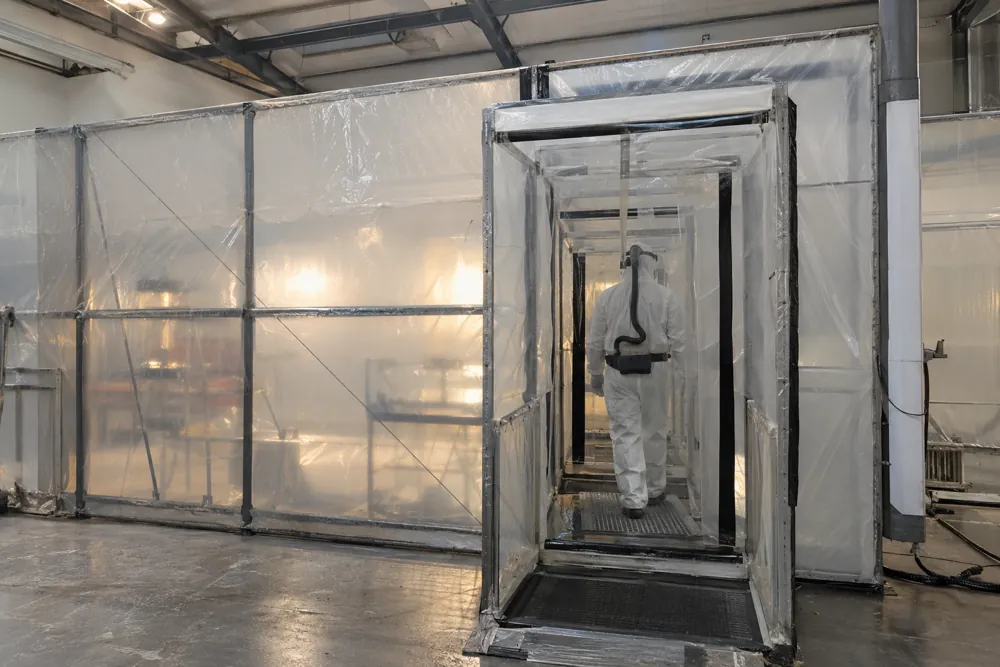
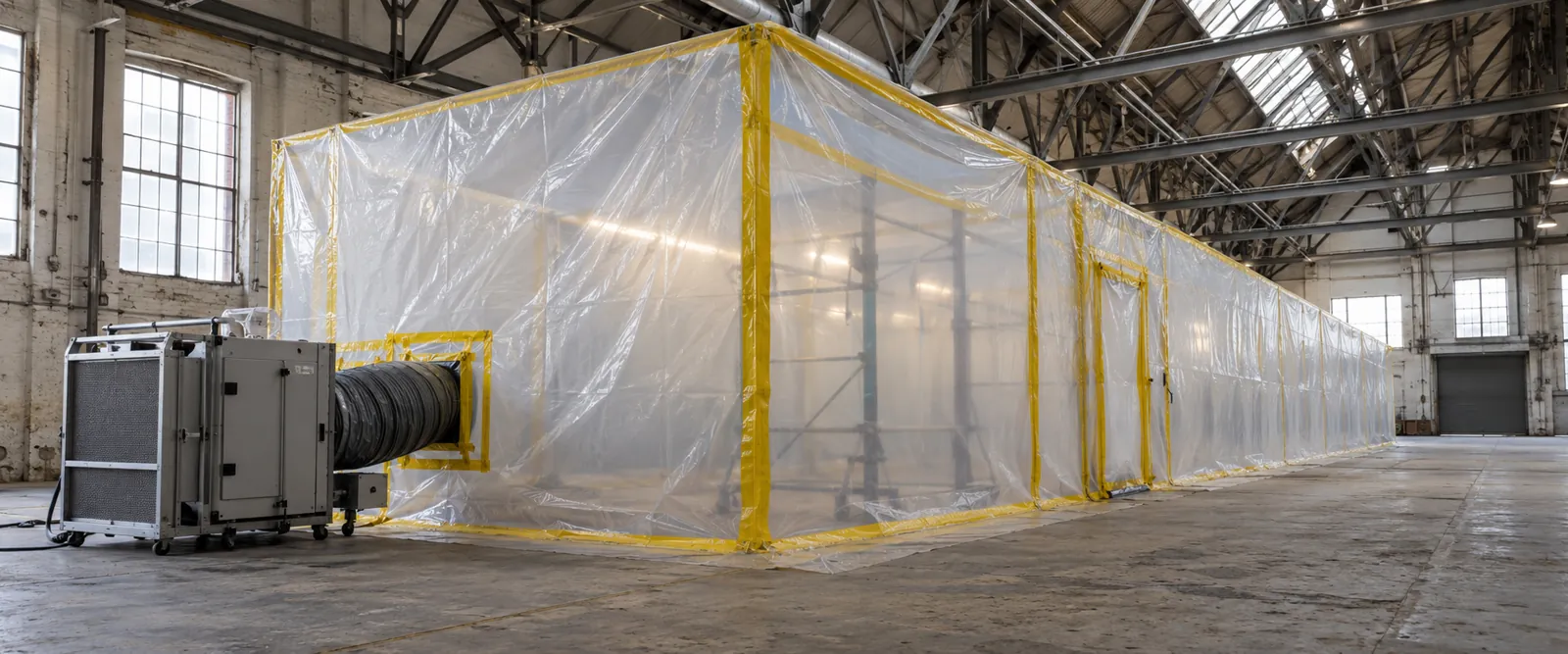
Licensed Asbestos Removal
Higher-risk materials, controlled enclosures and a documented handover.
Explore Service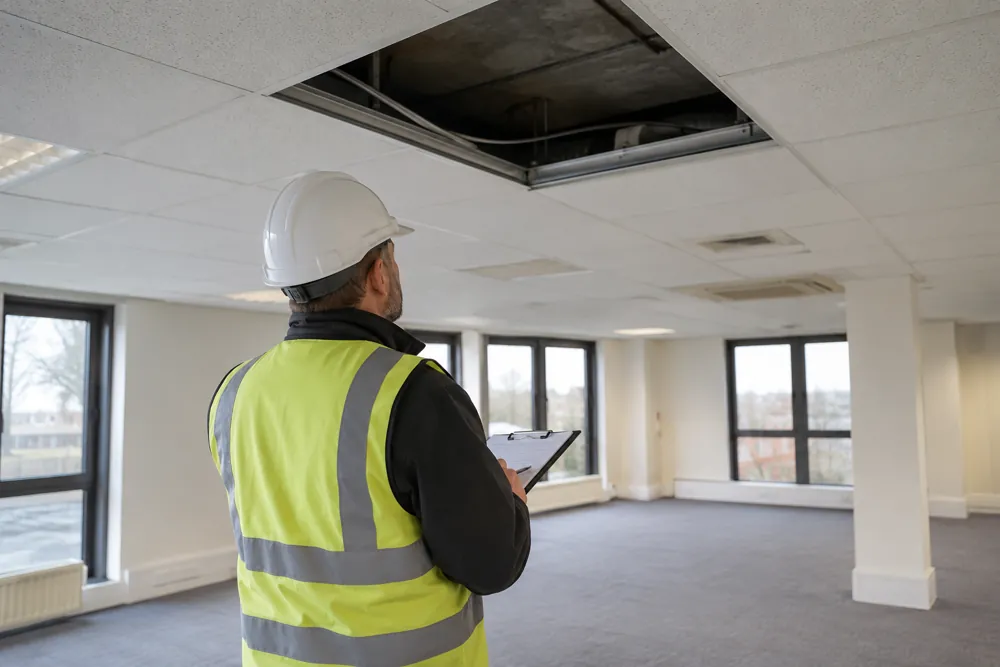
Asbestos Surveys
Management, refurbishment and demolition surveys with a defined scope.
Explore Service
Asbestos Testing
Professional sampling and accredited laboratory identification.
Explore Service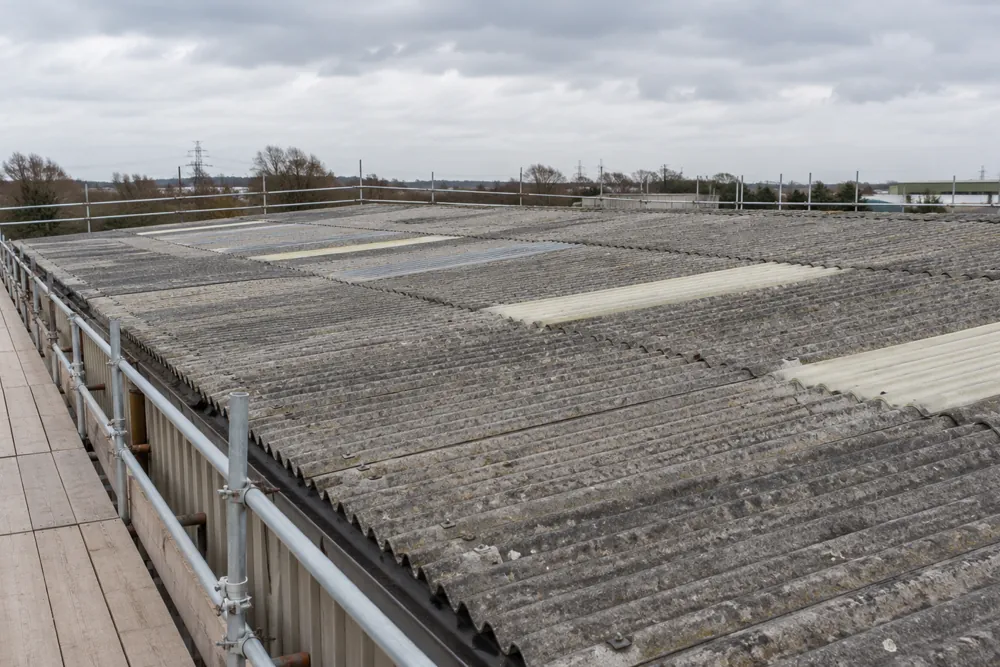
Asbestos Roof Removal
Commercial cement-sheet roofs, access planning and controlled removal.
Explore Service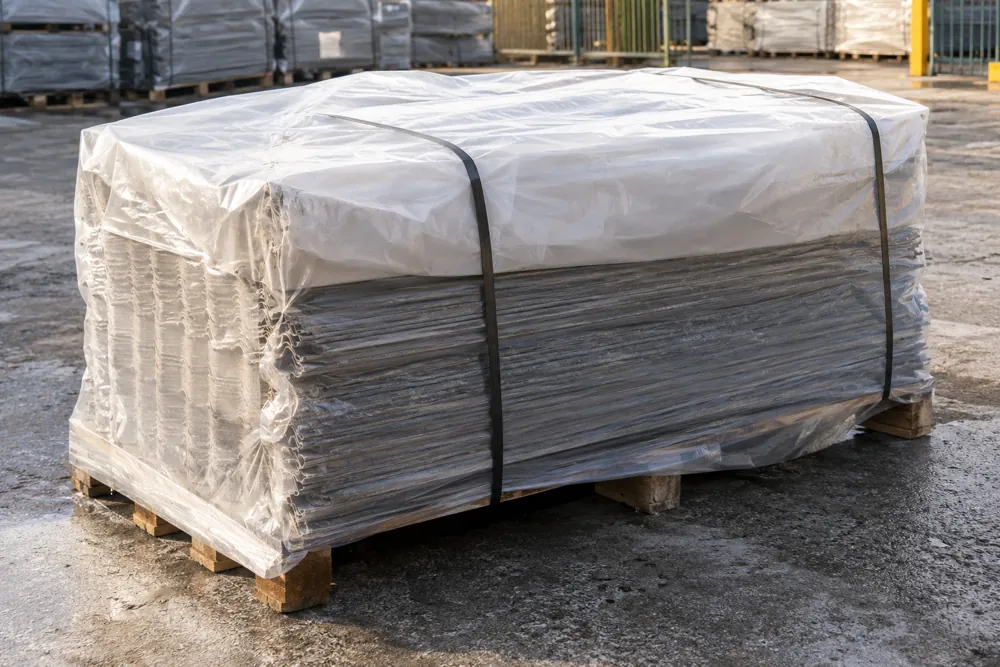
Asbestos Disposal
Secure packaging, authorised transport and traceable waste records.
Explore Service
Asbestos Encapsulation
Protect suitable materials in place and keep the register up to date.
Explore ServiceCommercial Asbestos Removal In Birmingham
Asbestos removal is the controlled removal of identified asbestos-containing materials from a building, plant or equipment. It may form part of a refurbishment, a roof replacement, an equipment upgrade or a response to damaged material. The removal method must match the material and the likelihood of fibres being released.
Our focus is commercial premises: factories, warehouses, schools, offices, retail units and managed business estates. A useful starting point is the asbestos register together with the exact boundary of the proposed work. A material described in an old report may need further inspection if its condition has changed or the scope has expanded.
Removal is a decision to justify, rather than an automatic response to a positive sample. Some materials can remain under a suitable management arrangement. Where disturbance cannot be avoided, the project needs an appropriate contractor, a written plan and a handover that allows the premises to return to their agreed use.
Who Needs To Act, And Why
In England, the Control of Asbestos Regulations 2012 govern work with asbestos. Regulation 4 places a duty to manage asbestos in non-domestic premises on those with relevant maintenance or repair responsibilities or control. A commercial tenant, landlord or managing agent should establish how that duty applies to the areas they control.
The duty to manage does not mean every building must undergo wholesale removal. It means establishing whether asbestos is present, assessing the risk and keeping an effective management plan. Contractors who may disturb materials need the relevant information before they start work. A register that stays in a filing system without reaching the maintenance team does not support safe planning.
An upcoming strip-out creates a different information need from day-to-day occupation. Before intrusive work, check whether the existing investigation covers the actual depth and location of that work. Read the exclusions as carefully as the findings. A ceiling void or riser that was not accessed cannot be treated as confirmed clear.
Use the HSE duty to manage guidance to establish responsibilities. We discuss Birmingham projects under the rules applying in England. A project crossing a national boundary should also check its waste arrangements for that jurisdiction.
Match The Service To The Material
If the material is not identified, begin with professional asbestos testing or a survey with sampling. Testing answers a question about a particular sample. A survey answers a wider question about the premises and the areas inspected. Neither should be used to imply certainty about concealed materials outside its scope.
For ongoing occupation, an asbestos management survey supports the register and management plan. A refurbishment or demolition survey is more intrusive and must follow the scope of the intended project. Tell the surveyor what will be opened up, removed or changed so the investigation can reach the relevant building fabric.
Higher-risk work may need licensed asbestos removal. Where cement roof sheets are involved, commercial asbestos roof removal also needs a separate approach to fragile surfaces and work at height. The asbestos assessment and the access strategy must work together.
For suitable intact material, asbestos encapsulation may protect the surface without removing it. It still leaves asbestos in the building and needs to be recorded and managed. Asbestos disposal arrangements belong in the work plan from the start, including the route from the work area to secure storage and the final authorised destination.
From First Question To Handover.
No shortcuts between the decisions that matter.
- 01
Identify
Review the register, locate the material and establish whether further surveying or sampling is required.
- 02
Specify
Agree the work boundary, material classification, access arrangements and proposed controls.
- 03
Control
Set up the agreed work area, isolate relevant services and protect people beyond the work boundary.
- 04
Record
Complete the agreed inspection or clearance, retain waste records and update the register.
A Work Plan Your Site Can Use
Before a start date is agreed, collect the current survey, floor plans, site rules and the proposed construction sequence. Identify the person who can authorise isolations and the person who controls access. If work affects shared premises, agree who will notify other occupiers and who can suspend conflicting activities.
The contractor’s assessment should explain the material category and why the chosen approach is suitable. Licensable work requires a contractor holding the appropriate current HSE licence. Non-licensed work still requires competence and effective controls, and some non-licensed work is notifiable. Do not treat an exemption from licensing as an exemption from asbestos precautions.
For work requiring an enclosure, discuss its position, the transit route and the space needed for equipment. A drawing can resolve practical conflicts before the work starts. Consider entrances, emergency escape routes, air intakes, loading bays and any service that passes through the affected area.
At handover, ask for the records agreed in the scope. Where applicable, clearance is assessed by a suitably accredited analyst. The completion discussion should also identify any retained asbestos and any limitations, so that the next maintenance team understands the remaining restrictions.
What Affects The Quotation
The amount of material is only one part of the price. Its condition, accessibility and how it is fixed can change the method. Removing an accessible panel may have different preparation requirements from work inside a crowded service riser, even where the apparent surface area is similar.
Operational constraints matter too. Factory shutdowns, school access arrangements and occupied office routes can affect the sequence. Explain those restrictions when requesting a quotation, rather than asking a contractor to fit an undefined job into an agreed date. Roof projects also need a clear division of responsibility for access equipment and weather protection.
Ask what is included for preparation, removal, cleaning, transport, disposal and documentation. Where independent analytical work or reinstatement is priced separately, make that visible in your comparison. A quotation should identify assumptions and exclusions rather than leave you guessing what the final handover will contain.
We do not publish a square-metre price because the controls cannot be set from area alone. Send the site postcode, survey findings and intended programme through our commercial enquiry form. A defined scope makes the resulting discussion more useful for procurement and site planning.
Older Fabric.
New Demands.
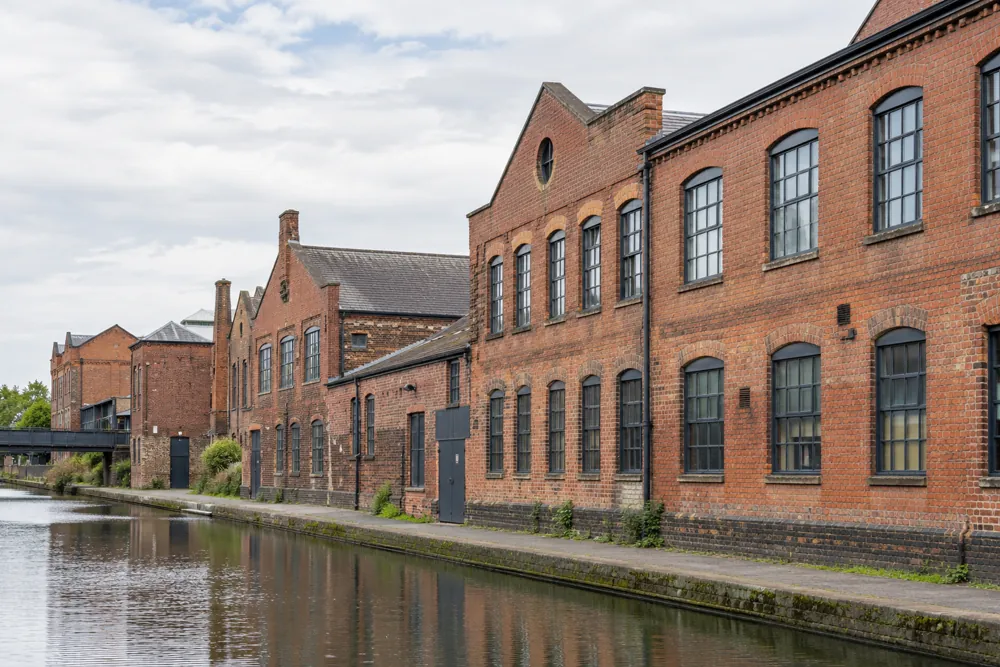
Birmingham’s Jewellery Quarter retains historic jewellery workshops, while Aston has an Advanced Manufacturing Hub and Tyseley an Environmental Enterprise District. Those are distinct commercial settings with different access and operating needs. Their identity alone does not establish whether a particular building contains asbestos.
In an older workshop, check previous alterations and concealed service routes. At an operational industrial site, explain production interfaces, deliveries and shutdown windows. For an office refurbishment, define the areas above ceilings and behind partitions that the new works will reach.
We cover Birmingham and nearby business districts including Digbeth, Witton, Edgbaston, Oldbury and West Bromwich. Read our locations and commercial site planning notes for the surrounding area, with links to the local sources behind the context.
If A Contractor Finds Suspect Material
Stop the activity that could disturb the material and keep people away from the affected area. Inform the responsible manager and preserve the location for competent assessment. A photograph taken from a safe position may help explain the concern, but it cannot identify the fibre content.
Do not ask general maintenance staff to break off a sample, clean debris or move suspect waste to make room for the next trade. Share the existing register and the task that was taking place. The assessment needs to consider both the material and whether the incident may have spread contamination.
Agree who will control access while the next step is arranged. Reopening should follow the assessment and any required remedial or clearance process. The enquiry form is for arranging a service discussion and should not be used as a substitute for your premises’ immediate incident procedures.
Asbestos Removal: Your Questions.
Does All Asbestos Need To Be Removed?
Asbestos does not always need to be removed if it is in good condition and unlikely to be disturbed. A competent assessment should consider its condition, location and future work. Managing it in place or encapsulating it may be appropriate, with the decision recorded in the asbestos management plan and reviewed when circumstances change.
Who Is Responsible For Asbestos In A Commercial Building?
Responsibility for asbestos in a commercial building generally sits with those who have maintenance or repair obligations, or control of the premises. Lease terms can affect how duties are shared. Identify the dutyholder before instructing works, and agree who will supply the register, authorise access and update the management plan after the project.
Do I Need A Licensed Asbestos Contractor?
A licensed asbestos contractor is needed when the work falls within the licensable category. The decision depends on the material and the nature of the activity, rather than the size of the building alone. Ask for the proposed classification, supporting assessment and current HSE licence details before appointing a contractor for licensable work.
How Much Does Commercial Asbestos Removal Cost?
Commercial asbestos removal costs depend on material type, quantity, condition, access and the controls needed. Enclosures, working at height, isolation of services and waste arrangements can all affect the quotation. Share your survey and proposed work scope so that quotations cover the same items, including any separate analytical work and final records.
Can Asbestos Work Take Place In An Occupied Building?
Asbestos work in an occupied building needs a project-specific assessment of segregation, access, ventilation and surrounding activities. Some work requires the affected area to be vacated. Agree the boundary and any temporary closures before starting, and establish how staff, visitors and other contractors will be kept away from the controlled work area.
What Should I Do If Suspect Material Is Damaged?
Damaged suspected asbestos should be left undisturbed while access to the affected area is restricted. Stop nearby work and notify the person responsible for the premises. Do not sweep, drill or collect samples yourself. A competent specialist should assess the material and the potential spread before deciding what investigation or remedial work is appropriate.
What Documents Should I Receive After Removal?
Asbestos removal documents should match the work completed and the controls used. Agree the handover requirements before appointment, including waste consignment records, an account of the areas treated and any required clearance certification. Update the asbestos register to show what was removed, what remains and any areas that could not be accessed.
What Is Happening
At Your Premises?
A planned refurbishment, a damaged panel or an uncertain survey finding. Tell us the context so the next conversation starts in the right place.
Share your details only if you agree that a suitable local firm may contact you about the enquiry.